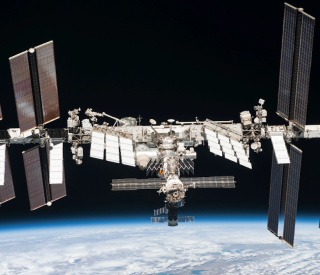
Flying through Earth’s orbit are thousands of satellites and two operational space stations, including the International Space Station, which weighs as much as 77 elephants.
The Georgia Tech-led study captures two lizard species adapting in response to competition. The study provides some of the clearest evidence to date of evolution in action.
Led by School of Earth and Atmospheric Sciences Professor Greg Huey, the NSF RAPID grant is for analyzing air chemistry data collected during a three-week span when a chemical plume impacted the Atlanta area.
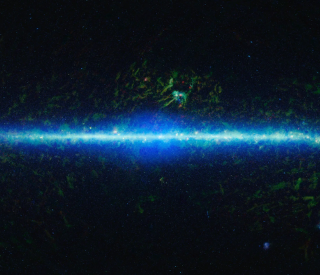
The NASA project NEOWISE, which has given astronomers a detailed view of near-Earth objects – some of which could strike the Earth – ended its mission and burned on reentering the atmosphere after over a decade.
Georgia Tech experts study the history of SBTi pledges to understand these commitments and what can undermine them. They believe there is more to the story of these pullbacks than meets the eye.
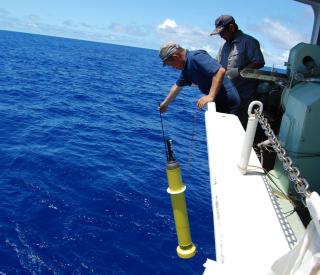
Georgia Tech researchers introduced a groundbreaking machine learning technique to improve the assessment and analysis of declining oxygen levels in the ocean.
A research team led by Georgia Tech’s Hailong Chen has developed a low-cost iron chloride cathode for lithium-ion batteries, which could significantly reduce costs and improve performance for electric vehicles and large-scale energy storage systems.