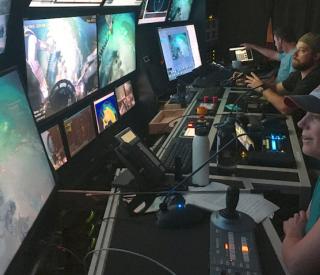
A new data visualization tool designed by a Georgia Tech Ph.D. student is helping a team of microbial ecologists, geobiologists, and oceanographers gain more insight into how deep-sea microorganisms interact within their environment.
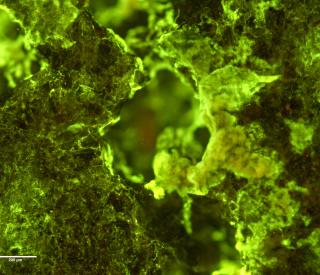
Up to 80% of infections in human bodies can be attributed to the bacteria growing in biofilms, and understanding how biofilms grow could lead to critical insights on controlling them.
Georgia Tech researchers are developing sustainable ocean shipping solutions to meet global emissions targets through eco-friendly fuels, optimized supply chains, and life-cycle assessments.
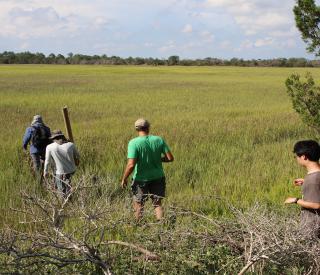
Understanding how salt marsh grass stays healthy is of crucial ecological importance, and studying the ways bacteria interact with these plants is key.
Stroud joins nine newly appointed Fellows and ten ESA Early Career Fellows, elected for "advancing the science of ecology and showing promise for continuing contributions" in the field.
A team led by Marta Hatzell designed a new electrochemical reactor to seamlessly integrate into direct air capture systems and turn CO2 into useful raw materials.
Georgia Tech’s Climate Action Plan outlines mitigation and adaptation strategies for reaching net-zero emissions on campus by 2050 and contributing to global solutions through education and research.